Interior and Exterior Wall Floor. Residential Commercial Use.
Travertine tile can transform spaces with its natural beauty
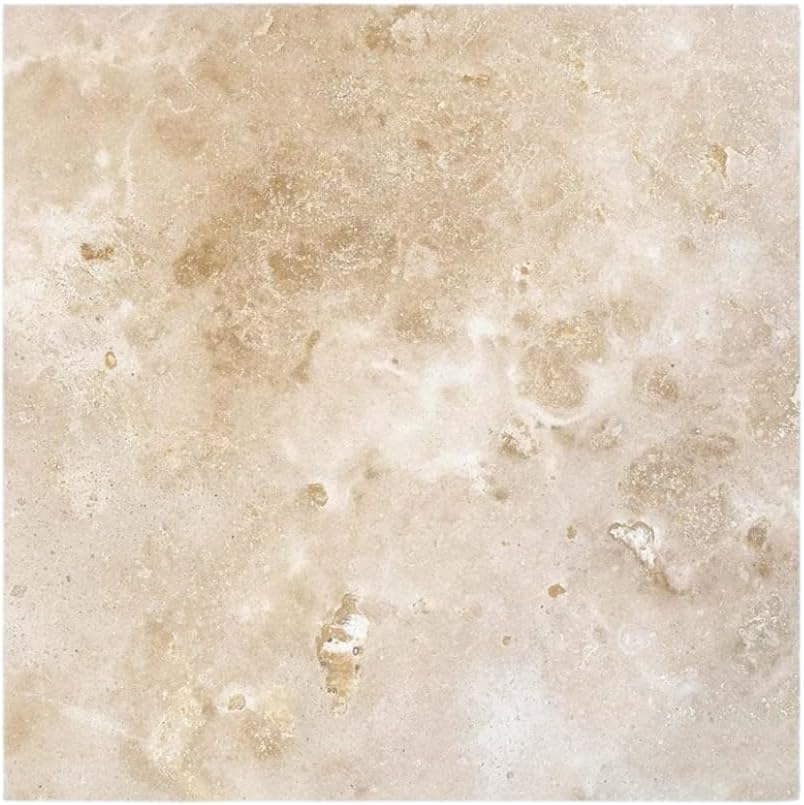
Travertine tile is a durable, natural stone with unique patterns, ideal for various homes including outdoor indoor areas
Travertine tile, a natural stone derived from limestone formed around mineral spring deposits, has been a popular choice for centuries, notably used in Roman architecture like the Coliseum. Its unique appearance, characterized by pitted holes and troughs, along with a range of colors from soft whites to deep reds, makes it an attractive option for modern home improvement projects.
Travertine tile offers several compelling features that make it a standout choice:
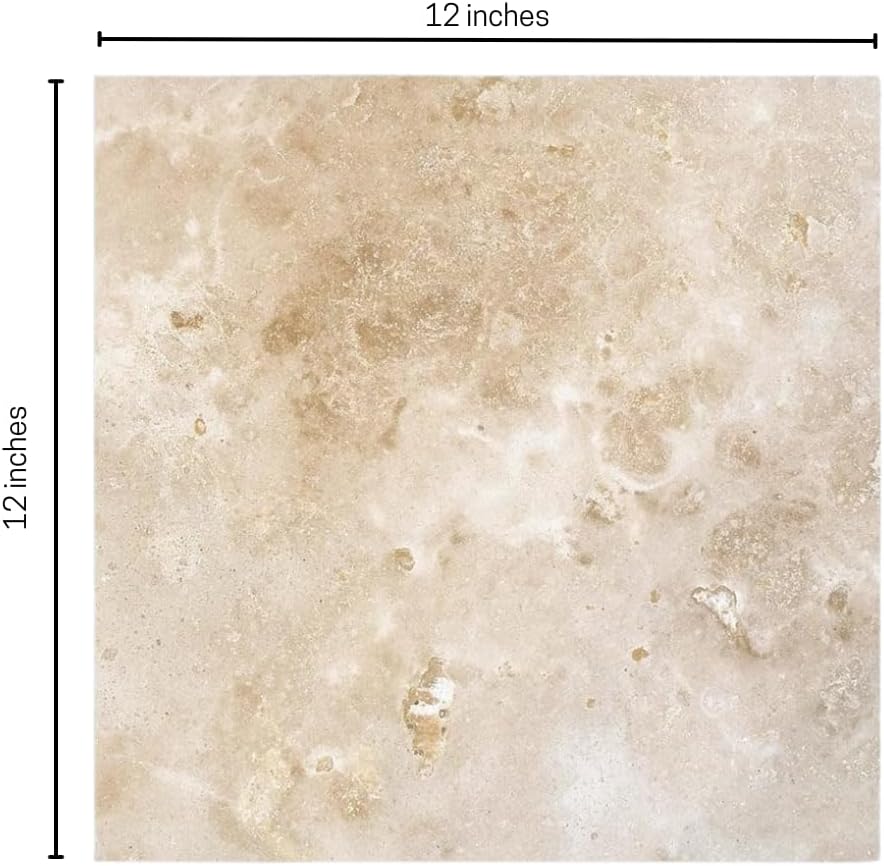
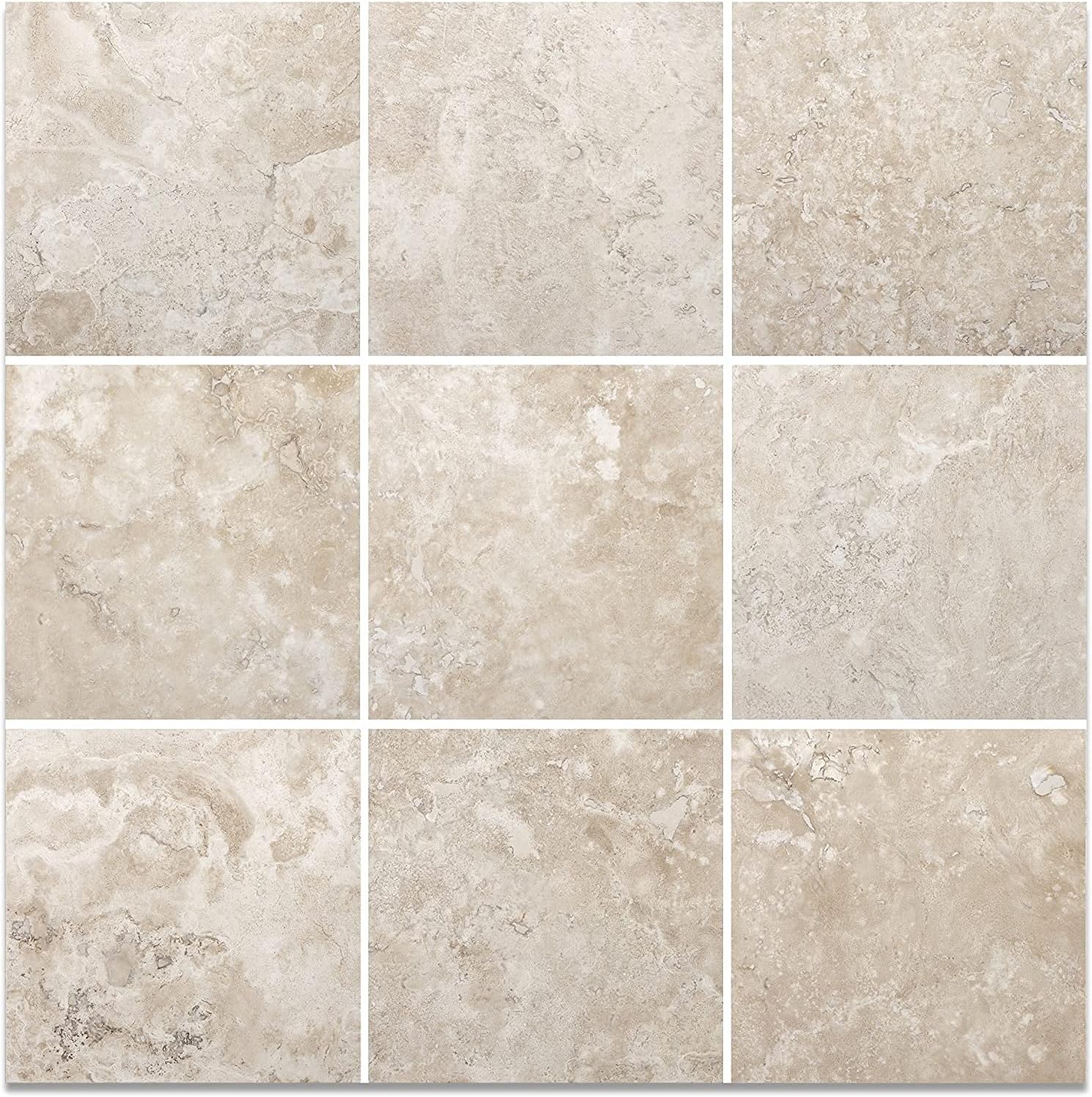
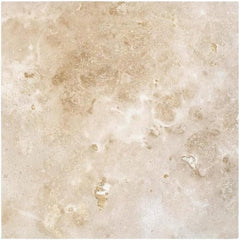
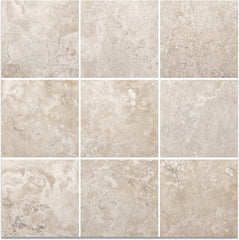
Unique Appearance: Each tile has natural variations, ensuring no two pieces are identical, even from the same quarry. This uniqueness adds character to any space, with colors ranging from ivory and beige to rust and peach, often featuring swirls and waves.
Durability: It’s highly durable, holding up well to high temperatures and heavy foot traffic, making it ideal for both indoor and outdoor use. However, it can chip if struck by heavy objects, so care is needed during installation and use
Easy Maintenance: With proper care, travertine is low-maintenance. It requires sealing to protect against stains due to its porosity, but cleaning is simple with gentle cleansers and warm water.
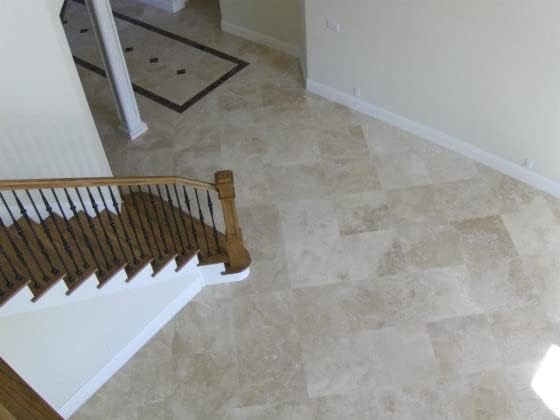
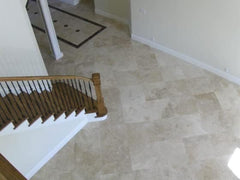
Indoor Flooring: Suitable for living rooms, bedrooms, kitchens, and bathrooms, offering warmth and elegance. It’s particularly effective in creating a cohesive look across open-plan spaces.
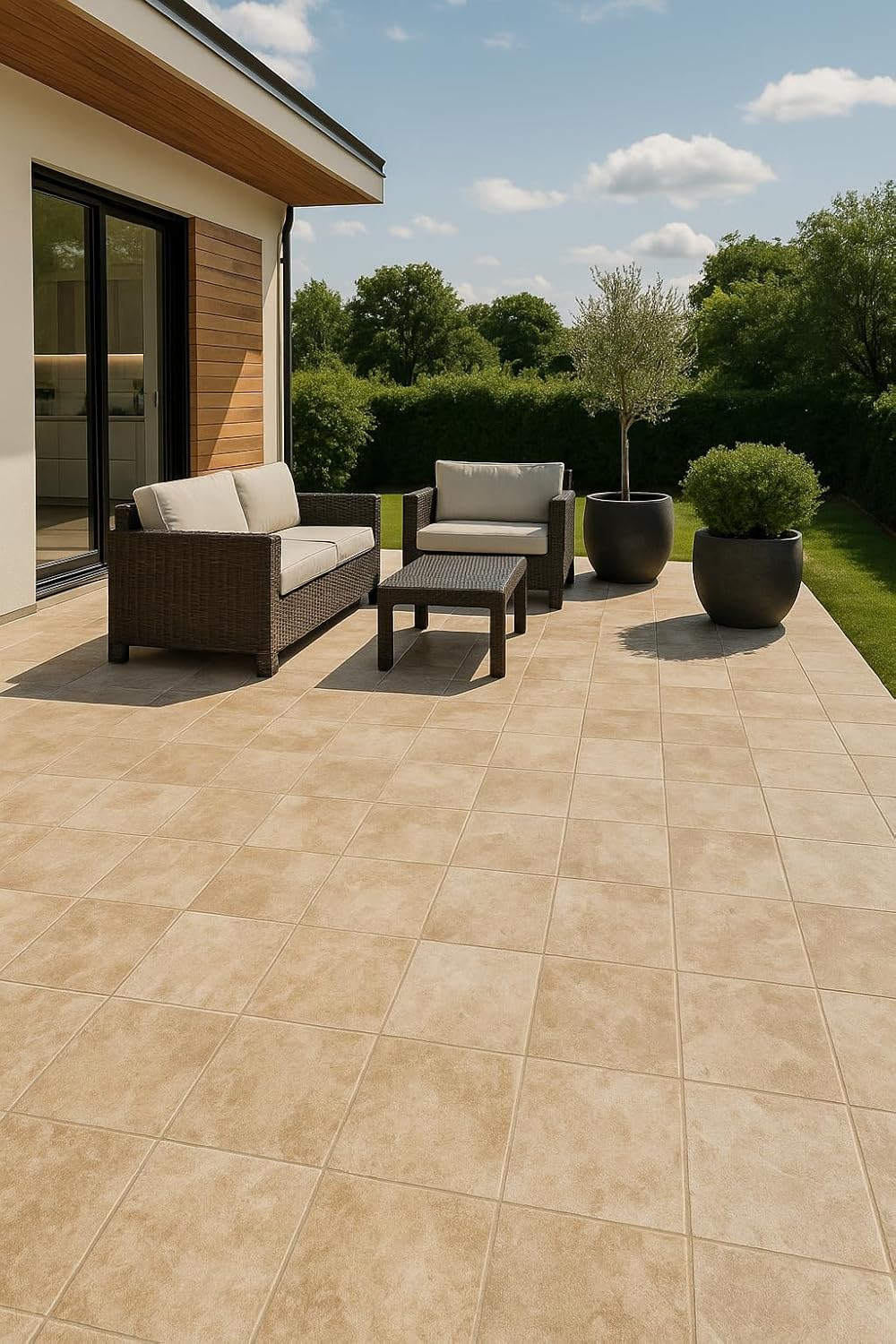
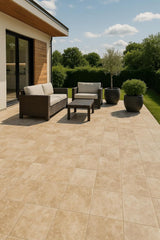
Outdoor Paving: Ideal for patios, walkways, and pool decks, with its durability against natural elements and a rugged, organic feel. It holds up well in high temperatures, making it perfect for sunny climates.
Wall Cladding: Used for accent walls, kitchen backsplashes, and fireplace surrounds, adding texture and visual interest. Its natural variations enhance the aesthetic of any room.
Shower and Tub Surrounds: While suitable for areas not constantly submerged, like tub surrounds, it’s not recommended for shower floors due to its porosity, which can wear down with constant water exposure. A tumbled finish can provide non-slip properties for bathroom floors.
Pros:
Offers a natural, unique look that enhances any space.
Durable and long-lasting, suitable for high-traffic areas.
Versatile in finishes and applications, fitting both indoor and outdoor needs.
Relatively easy to maintain with regular cleaning and sealing.
Cost-effective compared to other natural stones like marble and granite.
Maintaining travertine tile ensures its longevity and beauty:
Cleaning: Clean spills promptly to prevent staining, using a pH-neutral cleaner and a soft cloth or mop. Avoid harsh chemicals and abrasive materials, as they can damage the surface. For outdoor tiles, regular sweeping and occasional washing with water are sufficient, with pressurized water hoses recommended for debris removal.
Sealing: Seal the tile right after installation and every 3 to 5 years thereafter, depending on traffic and exposure. This protects against stains and discoloration, given its porous nature. Annual resealing may be needed for high-traffic areas.
Repair: If air pockets become exposed over time, fill them with travertine repair filler to maintain the surface.
General Care: Regular maintenance, including weekly mopping for indoor areas, ensures the tile lasts 25+ years with proper care. It’s sensitive to acids like citrus juices and vinegar, so avoid these to prevent etching.
Travertine tile can transform spaces with its natural beauty. Consider a travertine floor in a rustic kitchen with wooden cabinets and a farmhouse sink for a cozy, timeless look. For outdoor areas, a travertine patio with comfortable seating and potted plants creates an inviting outdoor oasis. Indoors, use it for an accent wall in a modern living room to add texture, or for a fireplace surround to enhance the focal point. Its versatility allows it to fit various design styles, from casual to formal, making it a favorite among designers.
Comparing travertine with other popular tiles highlights its unique benefits:
Ceramic Tiles: While ceramic is uniform and easy to maintain, travertine offers a natural, unique look that ceramic cannot replicate, adding warmth and character.
Porcelain Tiles: Porcelain is highly durable and water-resistant, but lacks the natural variations of travertine, which can make spaces feel more organic.
Marble: Marble is elegant but more expensive ($17 per square foot on average) and prone to staining and scratching. Travertine is more durable and cost-effective, with a warmer appearance.
Granite: Granite is strong and heat-resistant, but often has a cooler, less inviting look compared to travertine’s soft, neutral hues.
Surface Preparation: Ensure the floor or wall is clean, level, and suitable for tiling, removing any existing flooring if necessary.
Laying Tiles: Use an appropriate adhesive to lay the tiles, ensuring proper alignment and spacing for grouting.
Grouting: Apply grout to the joints between tiles after the adhesive sets, ensuring a seamless finish.
Sealing: Seal the tile upon completion to protect against stains and moisture, a critical step given its porosity.
For DIY enthusiasts, installing travertine can reduce costs, but professional installation is recommended for complex projects to ensure durability and safety.
To address common concerns, here are some FAQs:
Is travertine tile suitable for bathrooms?Yes, but use a non-polished finish like honed or tumbled for better traction, and avoid constant water exposure areas like shower floors due to porosity.
How do I clean travertine tile?Use a pH-neutral cleaner and a soft cloth or mop, avoiding harsh chemicals. Clean spills immediately to prevent staining.
Does travertine tile get cold in winter?Like other stones, travertine can feel cooler to the touch, but it’s not significantly colder than ceramic or porcelain tiles, and underfloor heating can mitigate this.
Can I use travertine tile outdoors?Yes, it’s suitable for outdoor use, holding up well against natural elements, ideal for patios and pool decks with regular maintenance.
OutdoorPatio Usage
Ideal for patios, walkways, and pool decks, with its durability against natural elements and a rugged, organic feel. It holds up well in high temperatures, making it perfect for sunny climates.
Indoor Wall Usage
Suitable for living rooms, bedrooms, kitchens, and bathrooms, offering warmth and elegance. It’s particularly effective in creating a cohesive look across open-plan spaces.
Floor Usage
Great for Floor usage both commercial and residential.Used for accent walls, kitchen backsplashes, and fireplace surrounds, adding texture and visual interest. Its natural variations enhance the aesthetic of any room
Recently Viewed Products
Choosing a selection results in a full page refresh.
Mother of Pearl Hexagon Seashell Mosaic Tile for Kitchen Backsplashes, Bathroom Walls, Spas, Pools by Vogue Tile is a mother of pearl seashell mosaic in a hexagon shape. Each sheet covers 0.9 sq. ft., and the tile is sold by the sheet or by...
Tenedos Carrara White Marble 2x4 Grand Brick Subway Mosaic Tile with Gold Metal Stainless Steel Polished pairs Carrara white marble bricks with gold metal accents in a polished finish. Each sheet measures 11.75 x 11.75 x 0.39 inches, and it is sold as a...
Bring vibrant modern design into your home with Abstract Salvia 8x9 Matte Hexagon Porcelain Tile. Featuring a sage green background with scattered multi-color terrazzo chips in burnt orange, black, green, gray, and white, this tile adds a bold yet sophisticated statement to any interior...